Hello World , We’ve been working around the clock and putting all our efforts into expanding.
Sluggish download speeds, websites loading super slowly (or not at all), lagging online gameplay, videos that won’t stop buffering — all of these are signs of a slow internet connection. Learn how to speed up your internet by optimizing your network, your Wi-Fi, or your Ethernet connection. Then, get a dedicated optimization tool to keep your device running smoothly and your internet speed fast.

1. Get closer to your router or move the router closer to your computer
Getting closer to your router is an easy and effective way to speed up your internet connection. The farther away your PC or laptop is from your Wi-Fi router, the slower your internet speed becomes.
You don’t have to put your computer actually next to your router to stream your favorite shows, but closer is better. Make sure there are no thick walls, especially concrete walls, between your router and your device. Not every router is alike — some have a strong signal strength, and others don’t.
Your ISP (internet service provider) often won’t give you the best router available, so if your signal strength is lacking even when you’re right next to your router, it’s time to get a new one.
Also, at certain times, your ISP may need to distribute bandwidth more efficiently. If you notice slow internet speeds repeating at certain times of the day, it could be because of ISP throttling.

2. Close unnecessary background programs and applications
If the internet is slow on your computer or laptop but works well on your phone or another device, then unnecessary background programs could be hogging your bandwidth and bogging down your internet connection. Stopping these background programs and quitting unused applications can help speed up your connection speeds.
Here’s how to close background apps and programs to maximize your internet speed on a PC
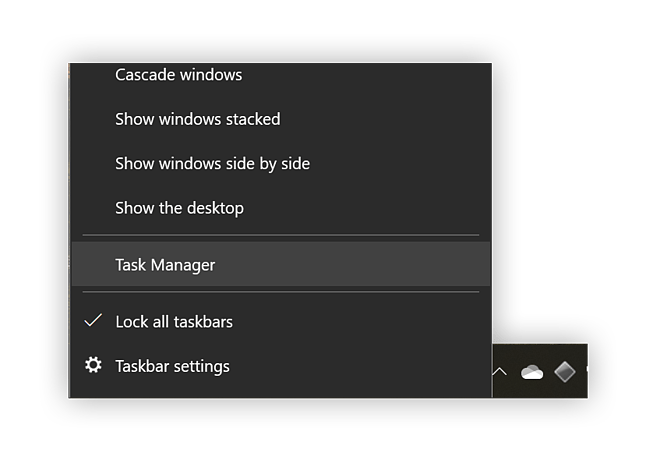
- Open Task Manager, right-click on the taskbar, and select Task Manager.
- Click on Network under the Processes tab to see the most bandwidth-hungry processes.
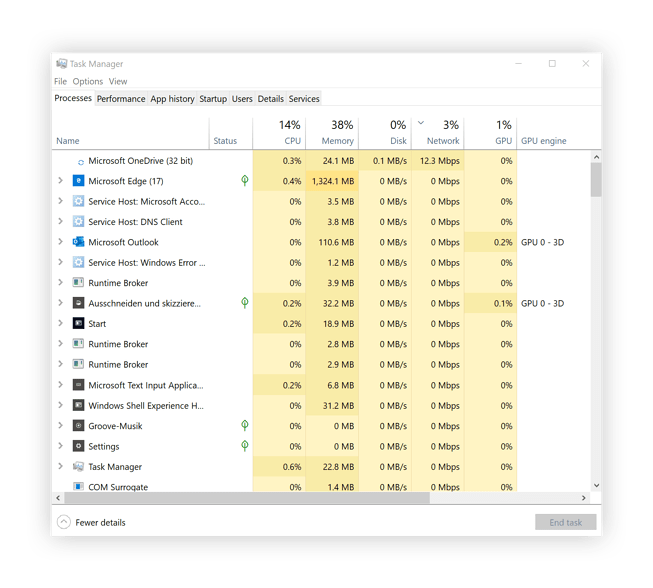
In our example, OneDrive is consuming 12 Mbps of bandwidth, because it’s busy uploading files. To stop programs from draining bandwidth and background data, close them or stop them temporarily by right-clicking on the program in Task Manager and selecting End task.
Ending tasks will only help you temporarily, because these programs will likely start up again the next time you boot up. A longer-term solution for your PC’s bandwidth hogs is the Sleep Mode in Avast Cleanup, which detects resource-draining programs and lets you freeze their activity when you’re not using them.
Closing or putting unused apps and background programs to sleep means that only programs you’re actively using can drain your CPU, RAM, hard disk, and your network connection. That will save your computer’s resources and speed up your internet.
3. Clear your browser’s cache and your browsing history
Too much cache data can result in websites not loading, partially loading, or even loading very slowly. Clear out your browser’s cache and get rid of any files that might be interfering. Here’s how to clean your browser’s cache on Google Chrome:
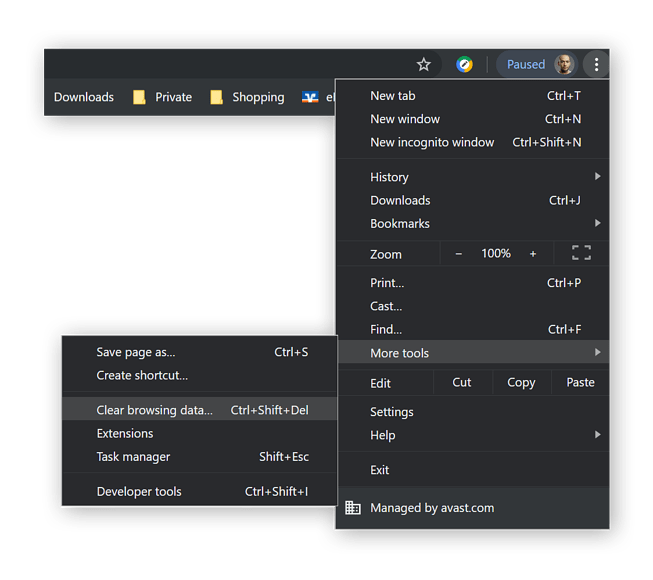
- Launch Chrome and click the three dots in the top-right corner. Select More tools and then Clear browser data.
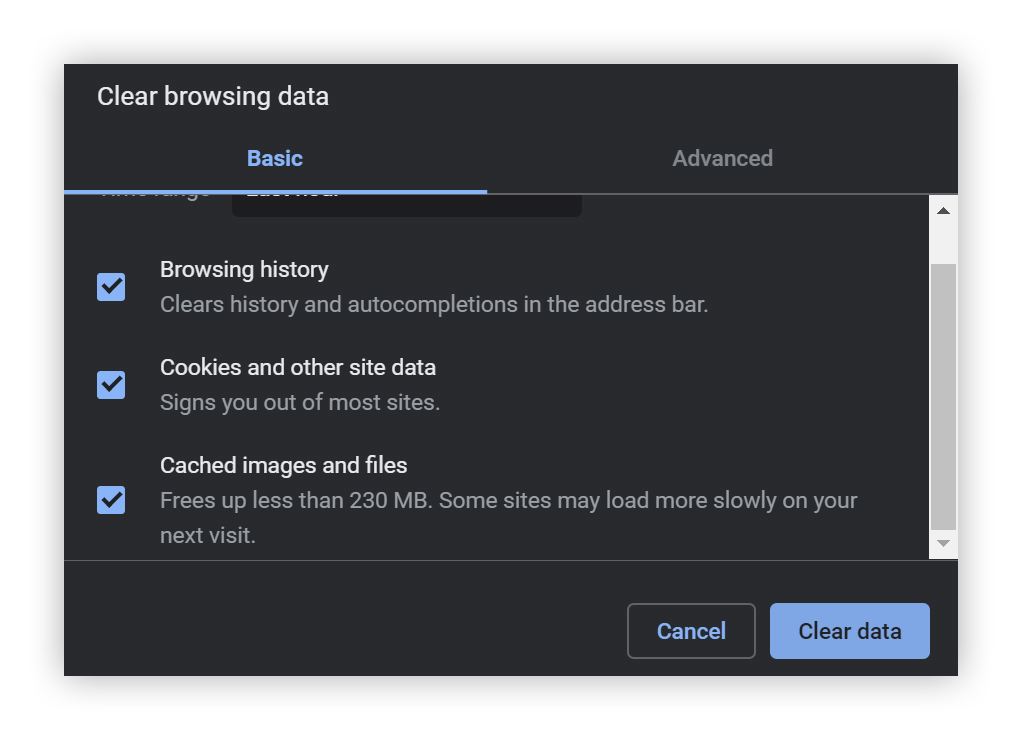
Make sure that all the necessary cache data is checked: Browsing history, Cookies and other site data, and Cached images and files. Then click Clear data.
4. Update your computer, especially network drivers & router firmware
Device drivers and firmware power your devices and make sure they work as intended. Unfortunately, stock firmware programs for routers and drivers from your Wi-Fi and Ethernet adapters are rarely optimized or error-free. Check for software or driver updates to address bugs and improve performance.
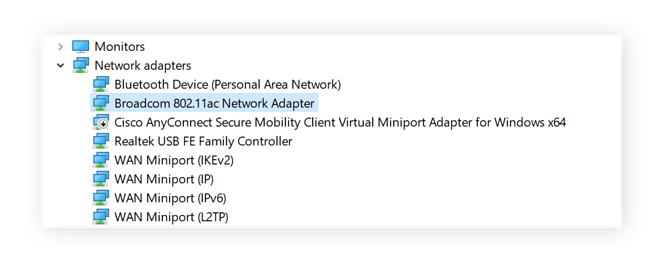
To update your drivers, find the name of the network adapters in your Windows device manager and search the manufacturer’s website for an updated driver.
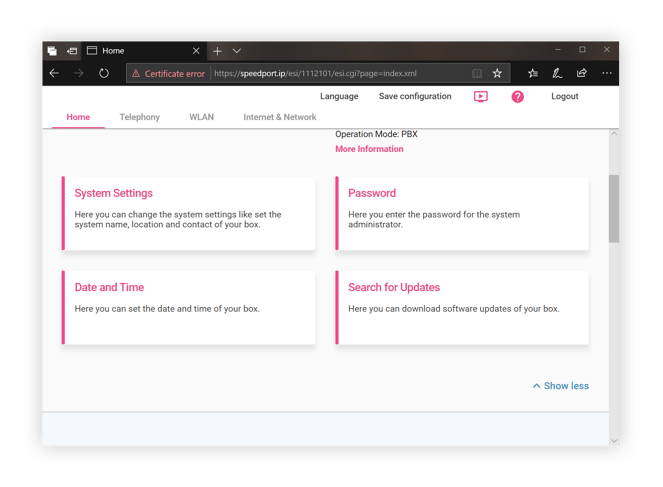
Your router’s firmware can also be updated. To do so, go through your router’s web interface, which you can access from your browser (read the manual or look at the back of the router to learn how). Once you’ve logged in to your router’s interface, look for the update button.
Updating your router’s firmware through your browser.
Follow the steps to download the firmware updates. I was able to easily fix several internet speed issues and connection drops after updating both the drivers on my Windows machine and the firmware of my router.
5. Restart your router or modem
Restarting your router or modem can often fix slow internet speeds — I do it every two to three months. Sluggish router performance could be a caching issue or a bug in the router’s firmware. But sometimes my internet connection simply gets slow for no reason at all.
Regardless of the issue, turning the router off and then back on again is a quick and easy way to help speed up my internet connection. This method works surprisingly well as a quick Wi-Fi boost.
But if the internet is slow only on one computer, especially after restarting your router, you should check if any programs are hogging your bandwidth to get a faster internet connection on your PC.
6. Use a plug-in (Ethernet) connection instead of Wi-Fi
If your Wi-Fi connection is persistently slow or if you don’t want to invest in a new router, you should try switching to a wired connection. Connect your PC or Mac to your router using an Ethernet cable. An actual cable will deliver the fastest possible speeds for your connection, potentially reaching speeds of many Gbps.

Let us know in the comments if these tips helped you speed up your internet connection . Access our free centralised console on Avast.com/businesshub and stay connected to on https://shop.vox.co.za/leyshunler/connectivity/reset

 Inexora
Leave a comment