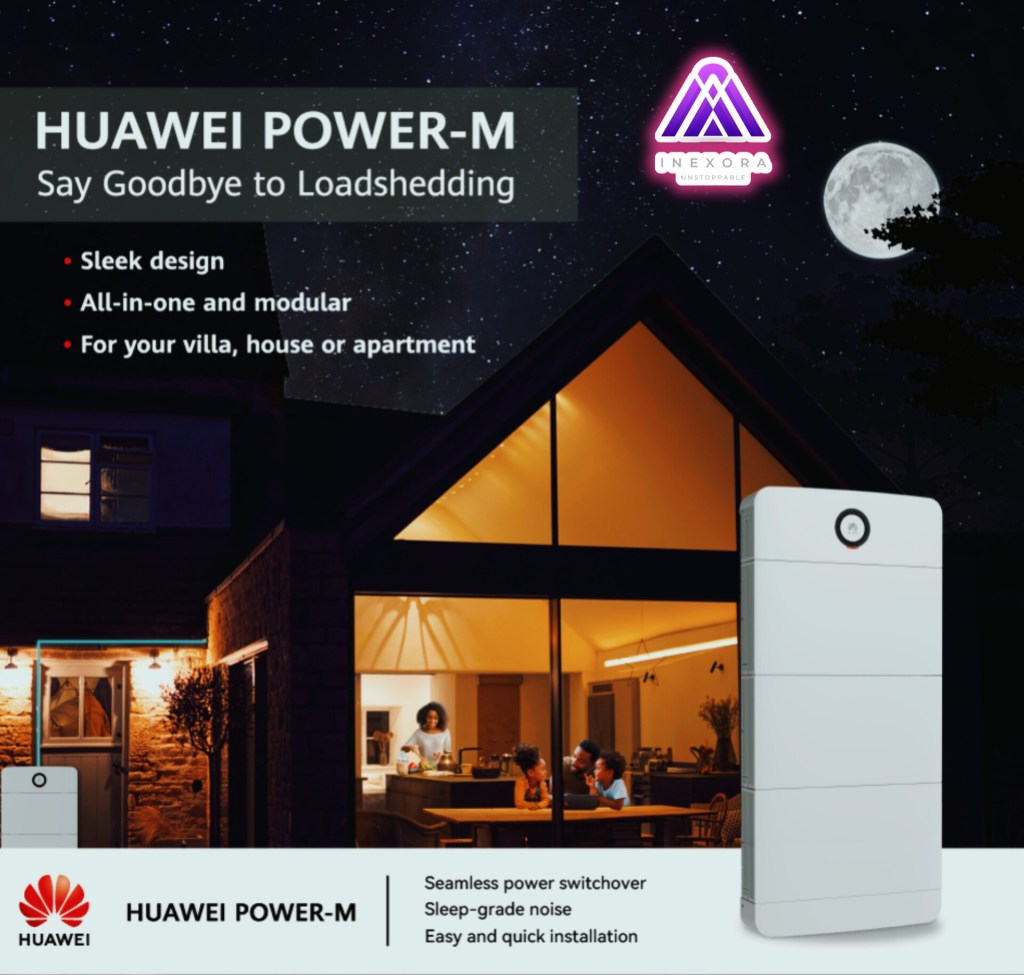
Huawei Power Mate Available on our online store : https://inexora.co.za/
In today’s rapidly evolving world, the search for clean and renewable energy sources has become paramount. With concerns about climate change and the depletion of traditional fossil fuel reserves, society is increasingly turning to sustainable alternatives. One such solution that has gained significant traction in recent years is solar energy. Harnessing the power of the sun, solar energy offers a clean and abundant source of power that can help reduce our dependence on non-renewable resources. In this article, we delve into the world of solar energy and explore its incredible potential for a sustainable future.
Understanding Solar Energy
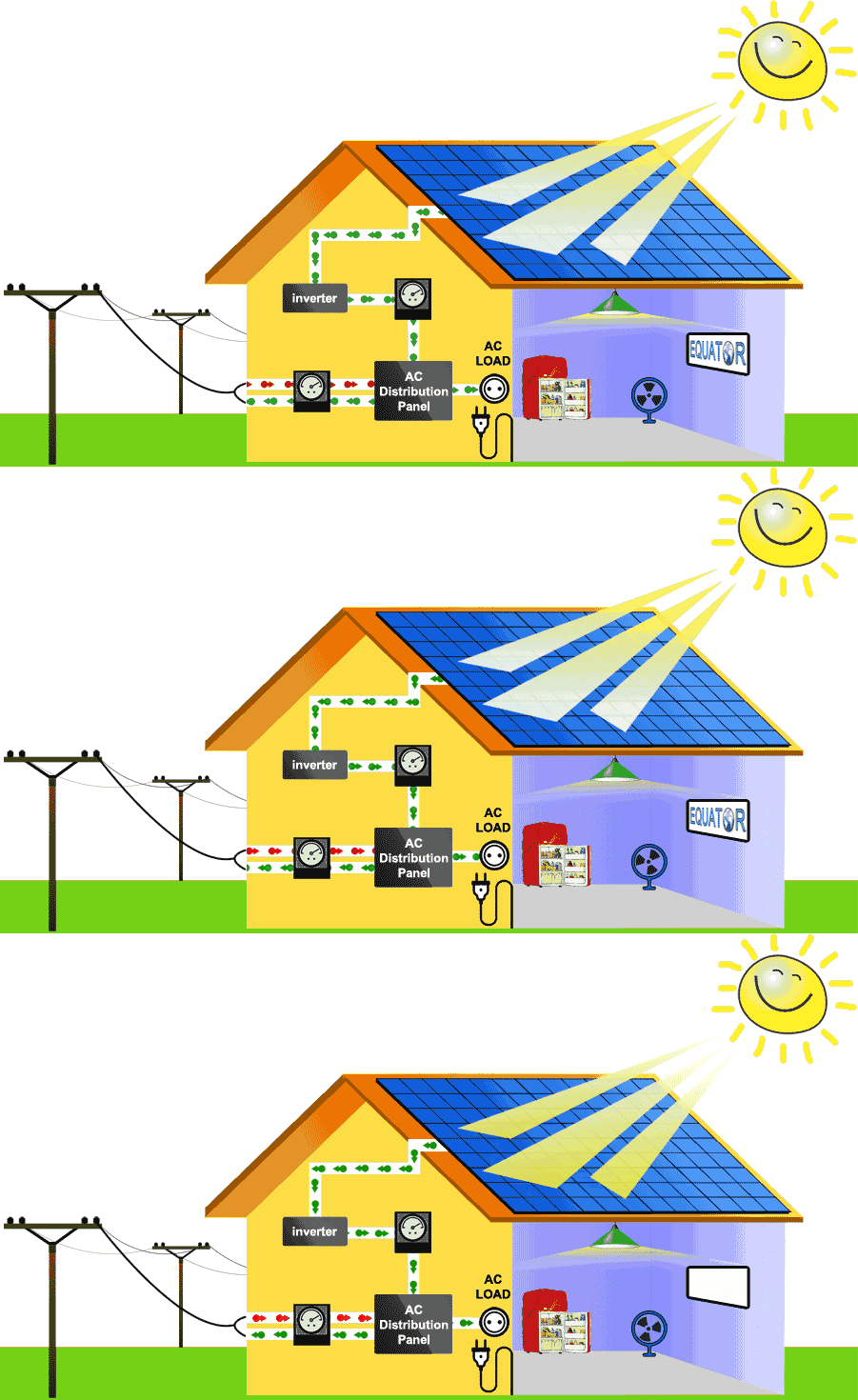
Solar energy is derived from the radiant light and heat of the sun. Through the use of photovoltaic (PV) panels or solar thermal systems, this abundant energy can be converted into usable electricity or heat. PV panels, consisting of multiple interconnected solar cells, work by converting sunlight directly into electrical energy. Solar thermal systems, on the other hand, utilize the sun’s heat to generate steam, which can power turbines and produce electricity.
Advantages of Solar Energy
- Renewable and Sustainable: Unlike fossil fuels, which are finite and contribute to greenhouse gas emissions, solar energy is renewable and virtually inexhaustible. As long as the sun shines, we can harness its power, making solar energy a truly sustainable solution.
- Clean and Environmentally Friendly: Solar energy produces no harmful emissions or pollutants, minimizing its impact on the environment. By embracing solar power, we can significantly reduce carbon dioxide emissions and mitigate climate change.
- Cost Savings: While the initial investment in solar panels and installation may seem significant, solar energy offers long-term cost savings. Once installed, solar systems require minimal maintenance, and the energy they generate is essentially free, leading to reduced electricity bills over time.
- Energy Independence: Solar energy allows individuals, businesses, and communities to gain energy independence. By generating their own power, they become less reliant on centralized power grids and are better equipped to handle power outages or fluctuations.
- Job Creation and Economic Growth: The solar energy industry is a significant contributor to job creation and economic growth. As the demand for solar installations rises, more employment opportunities are created, fostering local economies and driving innovation.
Applications of Solar Energy
Solar energy finds application in various sectors, including:
- Residential: Solar panels can be installed on rooftops to power homes, reducing electricity bills and reliance on the grid. Excess energy can even be sold back to the utility company, further enhancing cost savings.
- Commercial and Industrial: Many businesses and industries are adopting solar energy to power their operations. By utilizing large-scale solar installations, they can significantly reduce operational costs while meeting sustainability goals.
- Agriculture: Solar energy can be used to power irrigation systems, providing a reliable and sustainable source of energy for farmers. Additionally, solar-powered agricultural technologies, such as water pumps and crop drying systems, enhance productivity and reduce costs.
- Transportation: Solar energy plays a crucial role in the transportation sector, particularly in electric vehicles (EVs). With advancements in solar-powered charging stations, EV owners can harness the sun’s energy to charge their vehicles, promoting zero-emission transportation.
- Off-Grid Solutions: In remote or underdeveloped areas without access to traditional power grids, solar energy provides a lifeline. It enables the provision of electricity for lighting, communication, healthcare, and education, empowering communities and fostering socio-economic development.
The Future of Solar Energy

As technology advances and economies of scale improve, solar energy is poised to play an even greater role in our energy landscape. The development of more efficient solar cells, innovative storage solutions, and increased accessibility will further drive the adoption of solar energy worldwide.
Governments, recognizing the importance of solar energy, are implementing supportive policies and incentives to encourage its growth. Incentives such as tax credits, subsidies, and feed-in tariffs make solar installations more affordable and financially viable for individuals and businesses alike.
The continuous research and development efforts in solar energy are yielding exciting breakthroughs. From flexible solar panels and solar-powered desalination plants to solar roads and space-based solar power, the possibilities are limitless.
Conclusion
Solar energy represents a game-changing solution in our pursuit of a sustainable future. With its renewable nature, environmental benefits, cost savings, and widespread applications, solar energy has the potential to revolutionize the way we power our world. By embracing this clean and abundant source of energy, we can create a greener, healthier planet for future generations.

 Inexora
Leave a comment